Wow, it's 2026, and looking back at the journey of China's gaming market still feels like a rollercoaster! I still vividly remember the surprise in late 2022 when the gaming regulator finally broke an 18-month freeze and approved new games, both local and imported. For us players, it was a huge relief, though companies like Tencent and NetEase were happy but wished for more titles. China has always been a massive gaming hub, and honestly, we, the younger generation, are at the heart of this demand. With all the Covid-19 restrictions in the past, gaming became our go-to escape, leading to soaring usage. But that also caught the government's attention, resulting in some really strict rules to protect minors and control the industry.
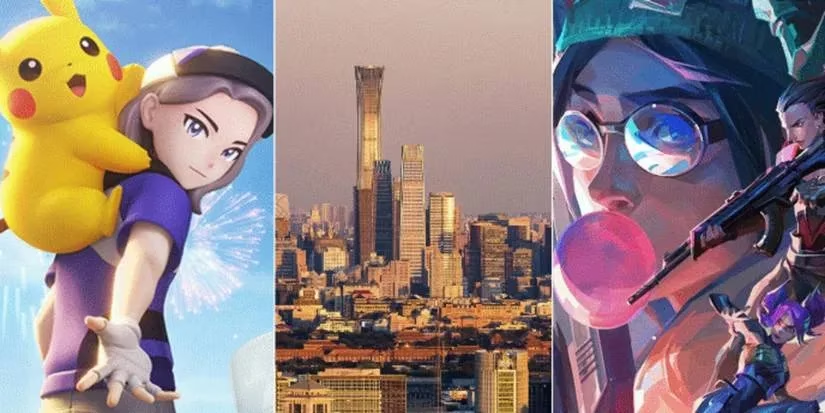
Back in the day, gaming here was pretty free, similar to other countries. But things started changing around the early 2000s when the National Press and Publication Administration stepped in. The goal? To curb youth exploitation and keep things in check. Fast forward to last year, and they imposed a 3-hour weekly cap for players under 18. 😮 That was a fresh blow to an already struggling industry, causing the biggest market decline in 14 years. As a gamer myself, I saw friends and younger siblings adjusting to these limits—it was tough but understandable from a parental perspective.
Then came that Wednesday announcement in 2022, which felt like a turning point. They approved 45 foreign and 84 local games, giving local tech companies a much-needed sigh of relief. But let's be real, the odds weren't great for foreign studios. Over the last five years, approvals had dropped by almost 20%, and they had to wait about eight months longer than local companies who got licenses in April. 😔 Still, this move hinted that the government might be softening its strict stance, which gave us hope for the future.
Some of the games on that list were total gems! We got:
-
Pokemon Unite by Nintendo 🎮
-
Valorant by Riot Games 🔫
-
Don't Starve by Klei Entertainment 🌲
-
Gwent: The Witcher Card Game by CD Projekt Red 🃏
Playing these felt like a breath of fresh air, and companies like Tencent remained optimistic, even if the path ahead was murky. In 2026, looking back, I can see how those regulations were partly about controlling a lucrative industry and limiting Western influence on youth. But revoking licenses during Covid-19 and the energy crisis just added fuel to the fire, hurting the economy even more.
Now, as we navigate 2026, the landscape has evolved. The gaming market is more balanced, with a mix of local innovations and selective foreign imports. Tencent's desire to acquire more AAA partners, as expressed back then, has led to some cool collaborations. Here's a quick comparison of the market then and now:
| Aspect | 2022 (Post-Approval) | 2026 (Current) |
|---|---|---|
| Foreign Game Approvals | 45 titles | ~60 titles (gradual increase) |
| Local Game Approvals | 84 titles | 100+ titles (steady growth) |
| Minor Play Limits | 3 hours/week cap | 4 hours/week (slightly relaxed) |
| Industry Sentiment | Cautiously optimistic | More stable and innovative |
As a player, I appreciate the efforts to protect younger gamers, but I also love having access to diverse titles. The key takeaways from this journey are:
-
Regulation is necessary for youth safety, but flexibility helps the industry thrive.
-
Global collaboration enriches our gaming experiences—hopefully, approvals keep rising!
-
Player adaptability has been amazing; we've learned to enjoy games within limits.
In 2026, I'm excited to see more games blending Chinese culture with global trends. The future looks bright, and as someone who's been through the ups and downs, I'm just grateful to keep gaming! 🎉 Let's hope the balance between control and creativity continues to improve. What are your thoughts on how far we've come? Share below! 👇