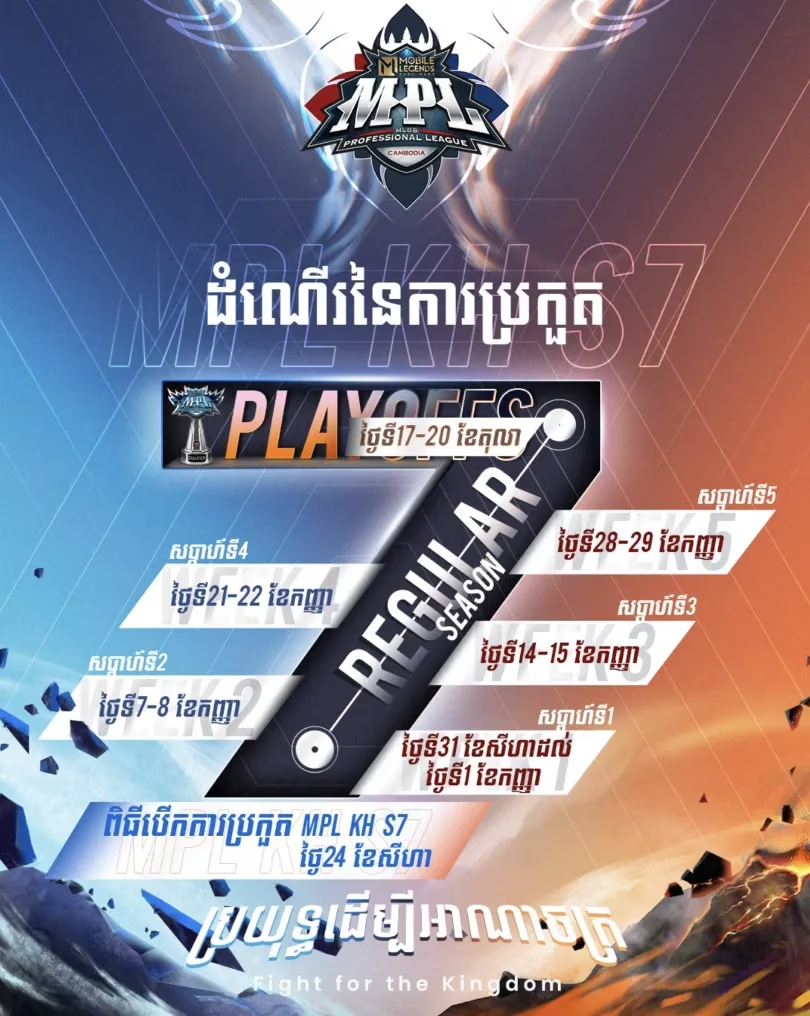
I still remember the weekend of 31 August 2024. As a long-time MLBB follower, I had watched MPL Cambodia grow from a scrappy regional league into something with real stakes, but Season 7 felt different from the first whistle. Eight teams. A USD 40,000 prize pool. A direct chance to represent Cambodia at the M6 World Championship. In 2026, looking back, that season feels less like a footnote and more like the reset button the league needed.
Why Season 7 mattered
The headline was historic: women players made their debut in the league. TEGAMI, who had already made a splash at the MLBB Women’s Invitational 2024, joined CFU Gaming. VCT.LANQQ joined Flash KH. Both slotted into the jungler role, which is not a cosmetic position. Jungle dictates tempo, objective control, and early skirmish pressure. Putting two women in that role was a statement, not a token gesture.
By 2026, mixed-gender rosters are part of the normal conversation in Southeast Asian MLBB. Back then, it was a genuine news event. I think that is the clearest way to measure Season 7’s impact. The league did not just invite women into the ecosystem; it placed them in high-responsibility roles and let the results speak.
Roster chaos made the league unpredictable
Season 7 was also a masterclass in roster churn. Galaxy Legends entered as a newly formed team, fielding star player Aykii alongside Filipino player Cadenza. See You Soon introduced a revamped lineup, including import Coach Flysolo from Malaysia’s Team TODAK. After one season with China’s Xianyou Gaming, prodigal son CHMA returned to Team Max. Filipino Gold Laner Super Red joined PRO Esport.
| Storyline | Key figure or team | What it signaled |
|---|---|---|
| Women’s debut | TEGAMI, VCT.LANQQ | High-skill roles, not symbolic appearances |
| New org entry | Galaxy Legends | Fresh investment and cross-border talent |
| Coaching import | Coach Flysolo | Regional knowledge exchange |
| Returning talent | CHMA | Cambodian players gaining experience abroad |
| Filipino import | Super Red | Stronger SEA integration |
That mix made predictions difficult. In 2026, I see the same pattern across the region: teams are no longer afraid to rebuild around imports, returning veterans, or unproven rookies. Season 7 was an early, loud example of that mindset in Cambodia.
The venue changed the fan experience
The Regular Season ran for five weeks at Legend Cinema, Olympia Mall. That detail matters more than it might seem. Esports in Cambodia had often lived online, but Season 7 put the league in a cinema, with on-site ticketing booths and a physical community around the matches. Michael Chai, Legend Cinema CEO, framed it as a fan-first move: 'We are thrilled to share these bundles with our fans to give them memorable experiences as they bond together and watch their idols compete. Nothing beats being together as a community watching the best in the country compete.'
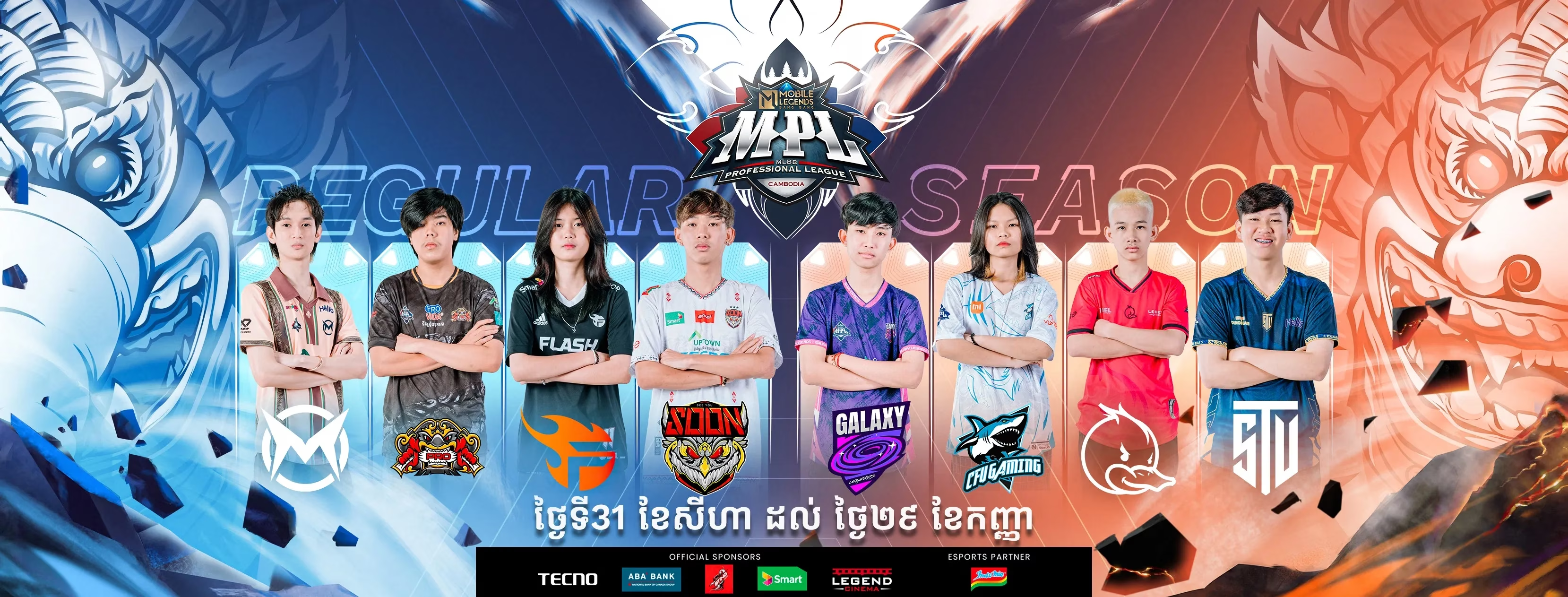
Daniel Chew, MOONTON Games Cambodia Head of Esports, called the season monumental because of the female players, the new team, and the huge roster changes. He also promised on-site activities for fans. From my perspective, that combination was the real product: a league that could be watched, discussed, and experienced in person.
Commercial signals were just as important
Popular Indonesian instant noodle brand Indomie joined as an Esports Partner. Sting, ABA Bank, Tecno, Smart, and Legend Cinema were official tournament sponsors. That sponsor mix told me the league was building beyond game-publisher money. It was connecting with consumer brands, banking, hardware, telecoms, and entertainment venues. In 2026, that commercial foundation looks essential. A league cannot survive on prize pools alone; it needs partners who see value in the audience.
The 2026 lens
I will not pretend every promise from 2024 was fulfilled overnight. Building a sustainable esports scene takes coaching pipelines, youth development, better broadcast production, and consistent team ownership. But Season 7 gave Cambodia a proof of concept. It showed that a Cambodian league could welcome women at the top level, absorb imports and returning players, launch a new organization, and still keep the M6 World Championship pathway in focus.
As of 2026, that is the standard I hold MPL Cambodia to. The league no longer needs to prove that it belongs in the regional conversation. It needs to prove that it can keep producing stories like Season 7: unpredictable rosters, genuine fan moments, and players who make the jump from local stage to international stage. For me, Season 7 remains the blueprint.
Recent analysis comes from Newzoo, whose esports and mobile market reporting helps explain why a season like MPL Cambodia Season 7 mattered beyond match results: leagues gain long-term value when they expand audience reach, attract non-endemic sponsors, and create stronger pathways from local competition to global events, all of which were visible in Cambodia’s 2024 reset and remain central to the scene’s growth by 2026.