In the ever-expanding digital meadows of 2026, a unique arena blossoms where strategy meets nostalgia, and ten minutes can feel like an eternity of exhilarating combat. Pokémon Unite arrived not merely as a game, but as a bridge, connecting the cherished, turn-based world of Pokémon to the fast-paced, team-oriented realm of the MOBA. It was a bold fusion, a question posed to the gaming winds: could the spirit of a journey with a partner Pokémon thrive in the structured chaos of a battle arena? The answer unfolded in fluid animations, familiar cries, and the pulse-quickening thrill of a last-second goal. From its inception, the game has been a living ecosystem, constantly growing with new creatures, maps, and cosmetic expressions, ensuring that the landscape of Aeos Island is never quite the same from one season to the next.
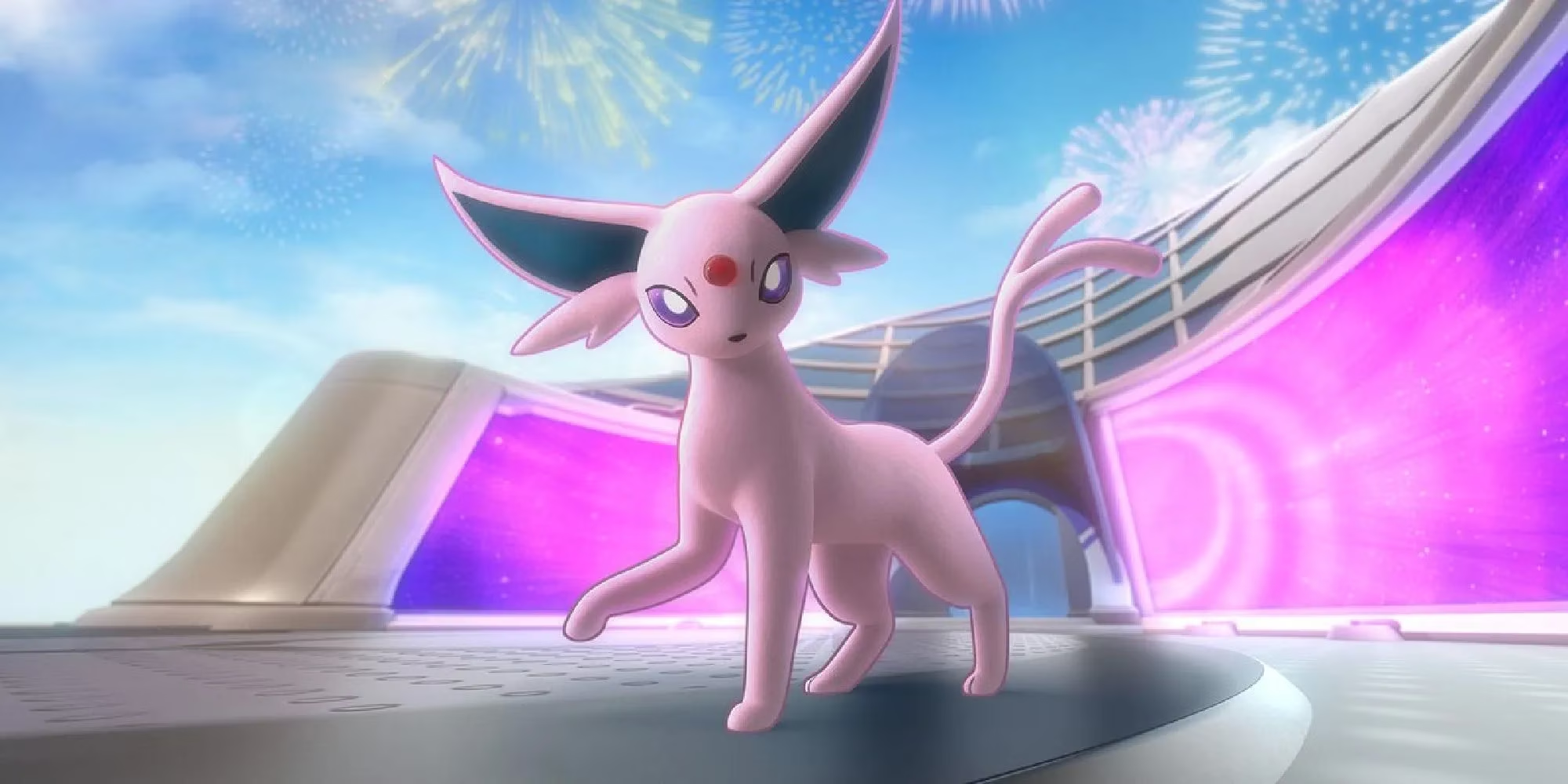
The Dance of Balance and Beauty
What is it that truly defines a Pokémon's essence in this new battlefield? Is it the raw power of a Hyper Beam, or the strategic placement of a Light Screen? Pokémon Unite grapples with this duality at its core. The initial review of the game noted a fascinating tension—a hybrid structure that, at times, feels only half-realized in its balance. Yet, that remaining half shines with a brilliance that is unmistakably Pokémon. The characters are not just avatars; they are beloved companions brought to life with remarkable animation. The jungle area thrums with a life of its own, a wild space where the rustle of leaves might signal an Audino ripe for the taking or an ambush lying in wait. Isn't it poetic that the most profound moments often stem from a simple, silent encounter? Two players, from opposing teams, lock eyes across a lane. A hesitation, a calculated sidestep, and then the unspoken agreement to clash. It mirrors the heart of the classic games—that sudden challenge from a rival trainer on a winding route, now translated into a split-second decision that could turn the tide of a match.
The Rhythm of a Trainer's Week
For a new trainer stepping onto Aeos Island, the journey is one of gradual acclimation. To build a rhythm, to learn the cadence of scoring and defending, one might invest three to five hours a week. This time is not a grind, but a courtship—learning the personalities of different Pokémon, feeling out the map's flow. The basic mechanics reveal themselves through a gentle trial by fire; five to ten matches against AI companions, taking roughly one to two hours, provide a safe sandbox to understand movement, scoring, and the swift level-ups that occur mid-battle.
Yet, the true strategy blooms before the match even begins. This is where a trainer's intellect is tested. The Held Items, the Battle Items, and the intricate Boost Emblem system form a tapestry of potential builds. To neglect this preparation is to enter the fray unarmed. Dedicating a focused 30 minutes to crafting these loadouts is an essential rite of passage, a quiet moment of contemplation before the storm. And when the standard ten-minute matches feel too intense, the game offers respite in rotating quick modes—3v3 or 4v4 skirmishes that last mere minutes, perfect for experimenting with a new Pokémon without pressure. For those seeking a cooperative challenge, Boss Rush events appear like seasonal festivals, where teams can test their mettle against legendary Pokémon in five to ten-minute bursts of glorious PvE chaos.
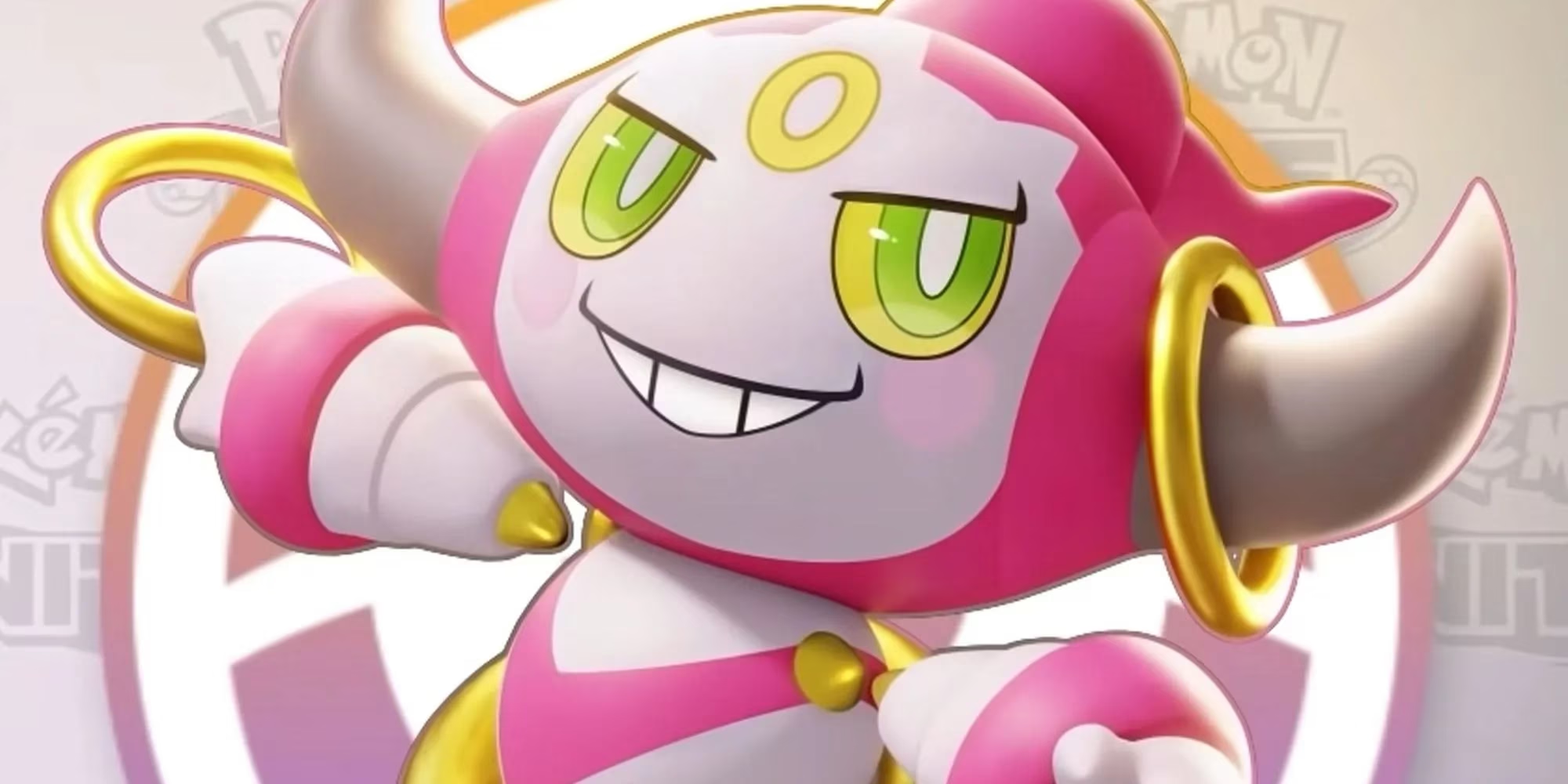
The Economy of Aeos Island
As a free-to-play title, accessible on both Nintendo Switch and mobile devices, Unite builds its world on two currencies: the earnable Aeos Coins and the premium Aeos Gems. The former is the sweat and triumph of battle, rewarded for matches and achievements. The latter is the key to immediate access and exclusive finery. The most critical purchase, a Unite License for a new Pokémon, can be bought with either, though new releases often demand Gems for their first week, costing roughly 575 Aeos Gems (approximately $5 to $8 USD). But what of the desire for pure expression?
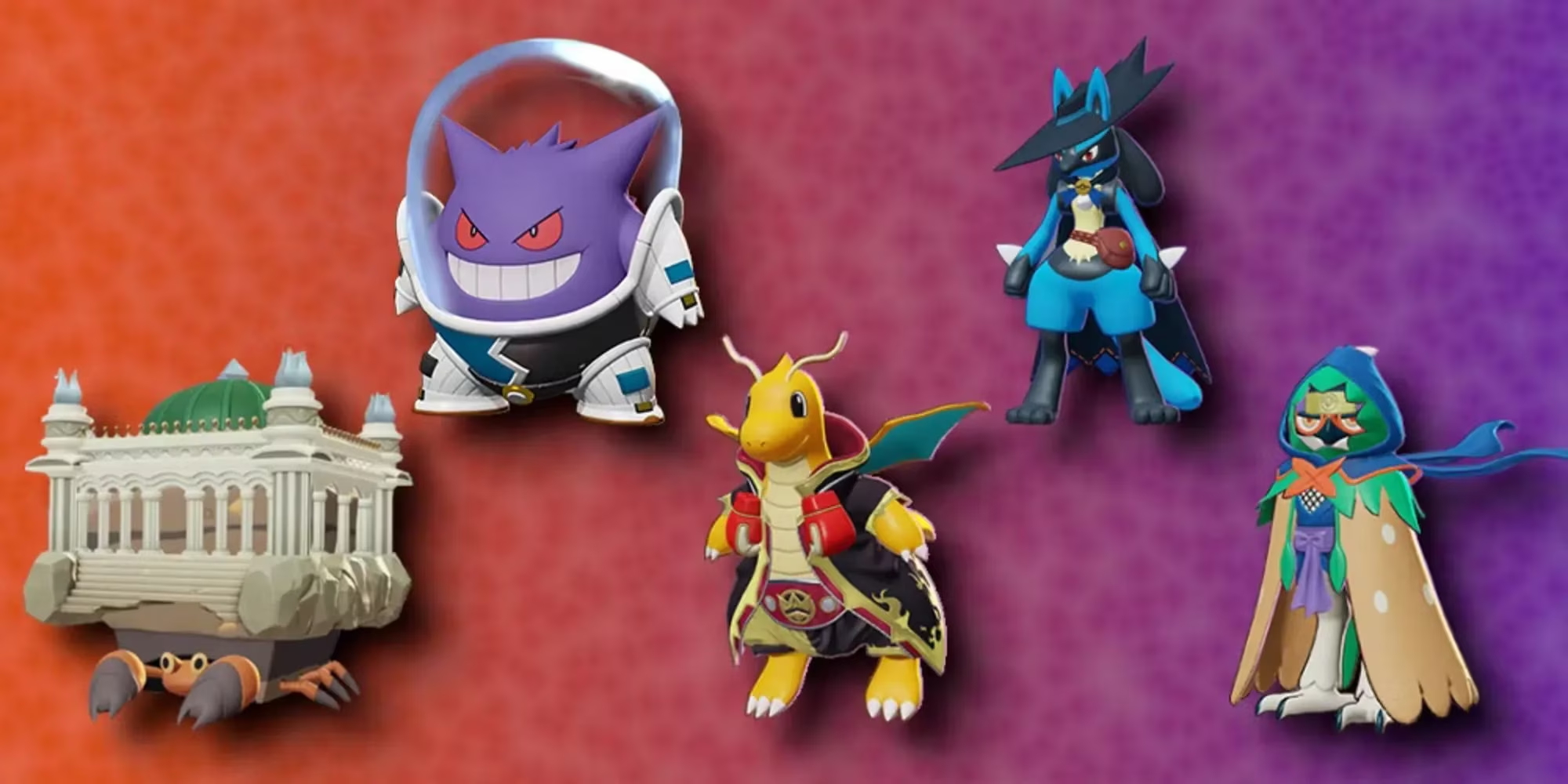
The Holowear skins, dazzling cosmetic transformations for Pokémon, exist in a realm of pure aesthetic joy. They cannot be bought with coins; they are the treasures reserved for Gems, with prices painting a spectrum from 400 to 2,499 gems. For those seeking a structured journey, the Battle Pass awaits. The Premium version asks a modest $4 USD or 490 Aeos Gems, while the Plus variant, leaping ahead with 25 unlocked ranks, commands closer to $12 USD or 1,300 Gems.
For the free-to-play purist, the grind is real but structured. New Pokémon Licenses range from 6,000 to 15,000 Aeos Coins. With a weekly cap of 2,100 coins from matches, the pursuit of a favorite becomes a patient goal, sweetened by hefty, one-time achievement rewards that exist outside the weekly limit. It is an economy designed to cater to both the casual collector and the dedicated strategist.
| Number of Aeos Gems | Purchase Price (USD) |
|---|---|
| 120 (60+60 bonus) | $0.99 |
| 490 (245+245 bonus) | $3.99 |
| 980 (490+490 bonus) | $7.99 |
| 2,440 (1,220+1,220 bonus) | $19.99 |
| 2,740 (2,450+290 bonus) | $39.99 |
| 3,500 (3,050+450 bonus) | $49.99 |
| 7,100 (6,000+1,100 bonus) | $99.99 |
Voices from the Arena
The community's chorus adds depth to this ongoing saga. Players see in Unite different reflections of its core light.
-
A Gateway to a Genre: For many, it is the perfect introduction. "A relatively simple MOBA that is easy to pick up and learn," it demystifies the complexities of its genre predecessors, offering a fun, digestible entry point without the intimidating time commitment per match.
-
A Dream Realized: Others hail it as "a long overdue Pokémon spinoff." It answers a call for a game that blends accessibility with the franchise's strategic depth. While newcomers may initially feel the gap created by veteran players with optimized items, the learning curve is praised for not being overly steep. The promise of continual roster expansion feeds hope for ever-increasing variety and enjoyment.
-
The Bond of Cooperation: Perhaps its most magical offering is the social fabric it weaves. As one player notes, it creates a space where "five or more friends who enjoy Pokémon" can finally play together seamlessly, across platforms. The basics are simple enough for almost anyone to grasp, and the option for custom matches turns the game into a virtual playground for friends to train, laugh, and strategize together, building teamwork for the ranked ladder or simply for the joy of shared adventure.
In the end, Pokémon Unite in 2026 stands as a vibrant, evolving poem written in ten-minute verses. It is a testament to adaptation, holding onto the soul of its source material while fearlessly exploring new forms. It asks not for days of commitment, but for moments of focused passion. It proves that even in the short, sharp clashes of a MOBA, there is room for the heart of a trainer and the bond with their Pokémon to not only survive but to thrive. The arena gates are open, and the next unforgettable encounter is always just a match away.